
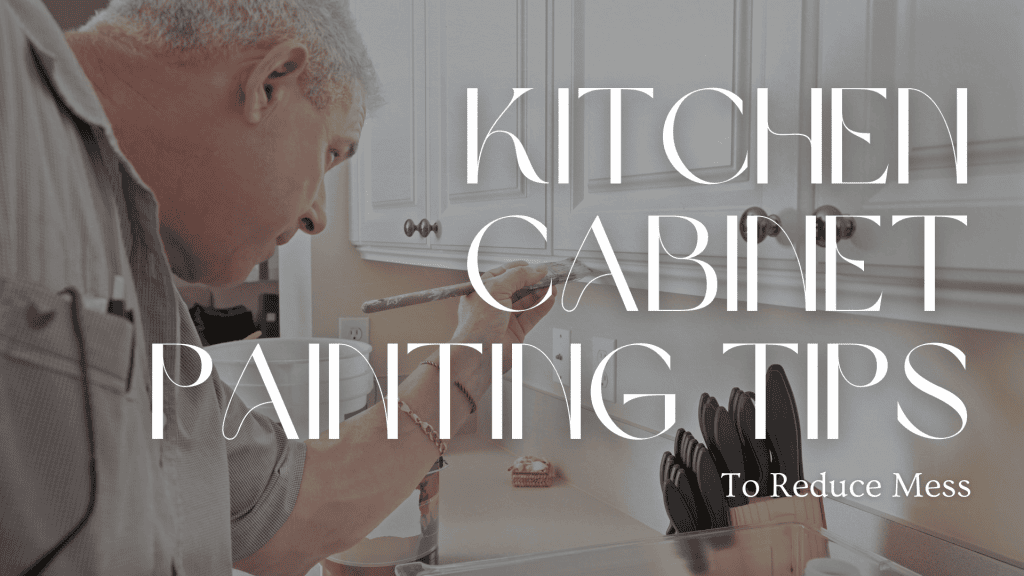
Kitchen Cabinet Painting Tips To Reduce Mess in Hamilton, Ontario
If you have been wanting to breathe new life into your kitchen space, you might want to look into painting your kitchen cabinets.
However, as simple as this project seems, the process can get messy fast, especially with paint drips, dust, and disorganization.
So, if you’re looking for tips and tricks to avoid this rather unfortunate and overall hassling situation, you’re in the right place!
Check out this list of Kitchen Cabinet Painting Tips to Reduce Mess.
1. Prep Your Kitchen Space
The first step to reducing the mess in your upcoming kitchen cabinet painting project is proper preparation.
This process sets your initial progress and pacing and ensures that you’re equipped to work smoothly and stay on track from start to finish.
In doing this process, you’ll want to:
- Remove cabinet doors and hardware: Unscrew hinges, knobs, and handles, and place them in labeled bags or containers to keep everything organized.
- Cover surfaces: Use painter’s tape to protect walls, floors, countertops, and adjacent appliances. Plastic sheeting or drop cloths are also great for covering large areas.
- Designate a work area: If possible, paint cabinet doors in a garage, basement, or well-ventilated outdoor space. This keeps paint fumes away from your kitchen and reduces the risk of spills in high-traffic areas.
Remember, having a fully prepped workspace sets the stage for a smooth painting experience and ultimately results in less mess.
2. Clean Cabinets Thoroughly
While doing surface preparation is mainly for a smooth and clean paint finish, cleaning your cabinets thoroughly could also reduce the mess in your project.
Dust, grease, and grime on your cabinets will ruin your paint job and cause adhesion issues and other paint problems – which is the kind of mess you’re looking to avoid in this situation.
So, here’s what you’ll have to do:
- Degrease surfaces: Use a degreaser or a mixture of dish soap and water to remove oil buildup. Pay close attention to areas around handles where grime tends to accumulate.
- Wipe down and dry: After degreasing, wipe the cabinets with a damp cloth and let them dry thoroughly.
- Sand lightly: Use fine-grit sandpaper to roughen the surface for better paint adhesion. This also ensures a smoother finish with less chance of streaks or uneven paint.
3. Use the Right Tools to Minimize Drips and Splatter
Getting the right tools will also go far in reducing mess in your upcoming project, especially in minimizing drips and splatter.
You’ll want to acquire painting tools that will give you better control over your paint application, ensuring that they are where they belong – on your cabinets, not the floors or walls.
You’ll want to:
- Invest in quality brushes and rollers: Brushes with angled tips work well for corners and edges, while small foam rollers are ideal for flat surfaces. Foam rollers also produce a smoother finish with fewer roller marks.
- Opt for a paint sprayer (optional): If you’re comfortable using a paint sprayer, it can provide a flawless, even coat. Just be sure to mask off the surrounding area to avoid overspray.
- Control paint quantity: Avoid overloading your brush or roller. Dip lightly and tap off excess paint to prevent drips.
4. Paint in Thin Layers to Avoid Drips
Thick layers of paint may seem like a time-saver, but they increase the chance of drips and uneven coverage.
Ideally, you should be applying thin layers, since they are easier to rectify in case of any mistakes and gives you more control over the process, ensuring a smooth finish in the end.
In painting your cabinets, you should:
- Use a primer: A primer helps the paint adhere better and reduces the number of coats required. It also ensures that the final color is vibrant and uniform.
- Apply multiple thin coats: Two to three thin coats are better than one thick coat. Allow each layer to dry before adding the next to prevent drips.
- Sand between coats: A light sanding between layers (with very fine-grit sandpaper) ensures an even finish and removes any dust that may have settled on the surface.
5. Keep Cleaning Materials Nearby
Lastly, no matter how much preparation or prevention we do, sometimes accidents are just simply inevitable – they happen when they happen.
Thus, it is important that you keep cleaning materials nearby, so you can manage these sudden slip-ups promptly and efficiently.
You’ll want to:
- Use damp rags for drips: Keep a few rags nearby to wipe up spills immediately. Dried paint is much harder to remove.
- Keep brushes wrapped between coats: Wrap brushes and rollers in plastic wrap or place them in a zip-top bag to keep them from drying out between coats.
Remember that being proactive prevents small messes from becoming big problems, so keep this in mind!
If you need painting services in Ontario, contact DW Painting & Wallpapering Inc. to get the best results.
We are the premier Residential Painting and Wallpapering contractors in the Greater Hamilton area and have been beautifying homes in the Greater Hamilton and Burlington area for over 20 years.
Related: Home Office Painting Tips You Should Know in Burlington, Ontario
What You Should Get For Your Bathroom Painting Project in Hamilton, Ontario